Cotton Currency: How the Band Tee Became Alt Britain’s Handshake
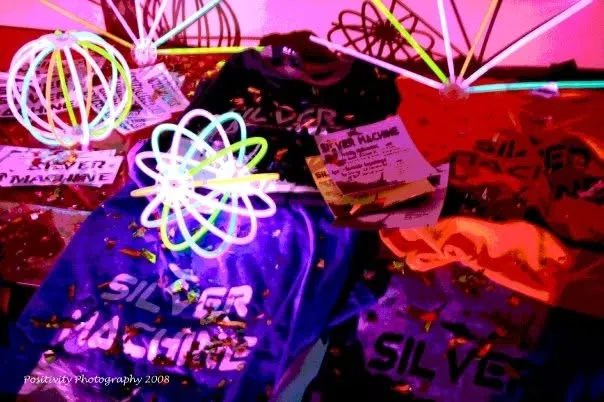
Photo: Chris Tanfield, CC BY-SA 4.0, via Wikimedia Commons
The merch table is the first place you see and the last place you leave. It is a folding table, a card reader, a stack of shirts and a person who has been on their feet for six hours. It is also the most social spot in the venue. Before the support act, it is a meeting point. After the headliner, it is a reunion. In between, it is a small economy of memory, identity and cotton.
In alt Britain, the band tee is not merchandise. It is a handshake. It says: I was there, or I wish I had been, or I love this band enough to wear them across my chest in a Wetherspoons. It is a uniform, a currency and a diary entry. And in 2026, it is getting more expensive.
The table by the door
Walk into any small venue — the 200-cap room above a pub, the converted warehouse with sticky floors, the arts centre with a vegan café — and the merch table is usually by the door. It is not an accident. It is the best spot in the room. You have to pass it to leave. You have to pass it to go to the bar. You have to pass it to cry in the smoking area.
“The table is where you find out what the night actually is,” says Sam, 31, who sells merch for a Leeds post-punk band. “People come over before the set because they’re nervous. They come over after because they’re happy. They tell you their whole life story while you’re counting change. I’ve had better conversations at the merch table than at any afterparty.”
The table is also a social club for people who do not drink. You can stand there without a pint and not look like you are waiting for someone. You can talk to the band. You can talk to the person selling the band. You can buy a tote bag and feel like you have contributed to the cause.
The price of belonging
In 2026, a standard band tee at a UK alt gig will set you back £30 to £40. A hoodie can be £55 or more. For a lot of people, that is not a small purchase. It is a decision. It is the difference between a shirt and a taxi home.
The reasons are not mysterious. Touring costs are up. Venue cuts are up. Printing costs are up. The merch table is often the only place where a band makes real money. “People think we’re charging £35 because we’re greedy,” says Sam. “We’re charging £35 because the van needs diesel and the printer wants paying and the venue takes a cut of everything else.”
But the rising price has changed the culture. The band tee is becoming a luxury item, which sits awkwardly with a scene that thinks of itself as DIY. The result is a new etiquette: buy if you can, but do not perform your spending. Do not ask a band to “do it cheaper” at the table. Do not take a photo of the shirt and buy it from a fast-fashion site. And if you cannot afford it, there are other ways to support.
Bootlegs and the DIY loophole
The bootleg is the alt scene’s pressure valve. A homemade shirt — screen-printed in a kitchen, drawn with fabric marker, stitched with a patch — is often more loved than the official one. It says: I made this because I love the band and I do not have £35. It is a form of participation.
The etiquette of bootlegs is simple: make your own, don’t sell someone else’s design. Do not print a band’s logo onto a shirt and flog it on Depop as official merch. Do not undercut the table at the show. But a personal bootleg, worn with pride, is part of the language. Some of the best shirts in the room are the ones that look like they were made at 1am after a gig, because they were.
Wearing the shirt to the show
There is a persistent rumour that you should not wear a band’s shirt to their own gig. This is nonsense. Wear the shirt. Wear it if you bought it at the last show. Wear it if you bought it in 2019 and it has a hole in the armpit. Wear it if it is a bootleg. The only rule is: do not wear a shirt for a different band that is playing the same night and then act surprised when someone asks you which one you are here for.
The shirt is a conversation starter. It is a way of saying “I am one of you” without having to speak. It is also a way of saying “I have been one of you for longer than you have”, which is the alt scene’s favourite game. The band tee is a passport with a print on it. It gets you into conversations you would not otherwise have.
The handshake
The merch table is the main stage because it is where the scene becomes tangible. The music ends. The lights go up. The crowd spills out. But the table is still there, with its card reader and its carrier bags and its tired seller. You buy a shirt. You say thank you. You walk home with a piece of the night folded in your bag.
In a culture that often talks about authenticity, the band tee is one of the few honest things left. It is not an algorithm. It is not a brand collaboration. It is a piece of cotton that says: I was here, and I cared enough to prove it. That is worth more than £35, even if £35 is what it costs.