Rails of the Damned: A Practical Guide to Second-Hand Vamp Dressing
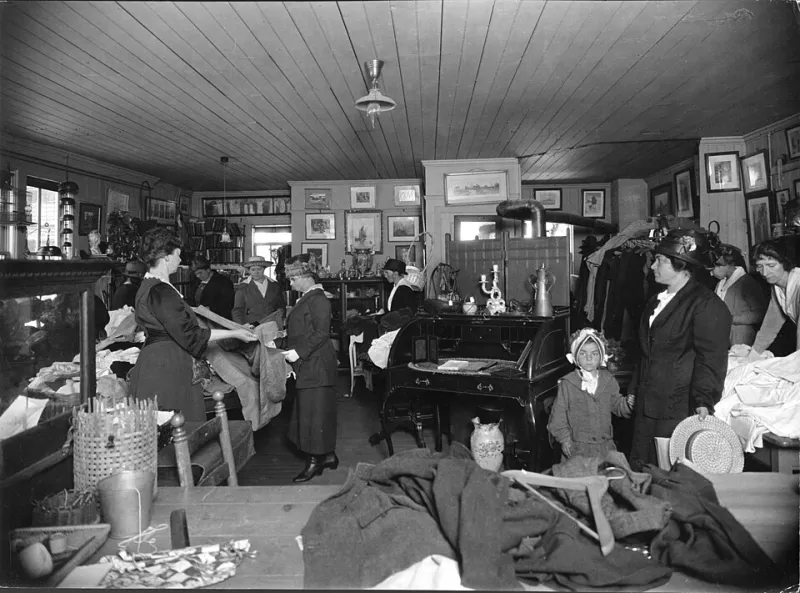
Photo: Cornell University Library, No restrictions, via Wikimedia Commons
You can buy a black velvet jacket new for the price of a decent night out, or you can find one on a charity-shop rail for £8 and spend £15 making it fit like it was made for you. The second option is better for your bank balance, better for the planet, and — crucially — better for the look. Vamp style lives in texture and silhouette, not in a logo. Second-hand rails are full of both, if you know what you’re doing.
This is not about dressing as a vampire. It’s about dressing like someone who might own a crypt and a Tesco Clubcard. The difference is restraint, fit and fabric. Here’s how to hunt.
Start with fabric, not fantasy
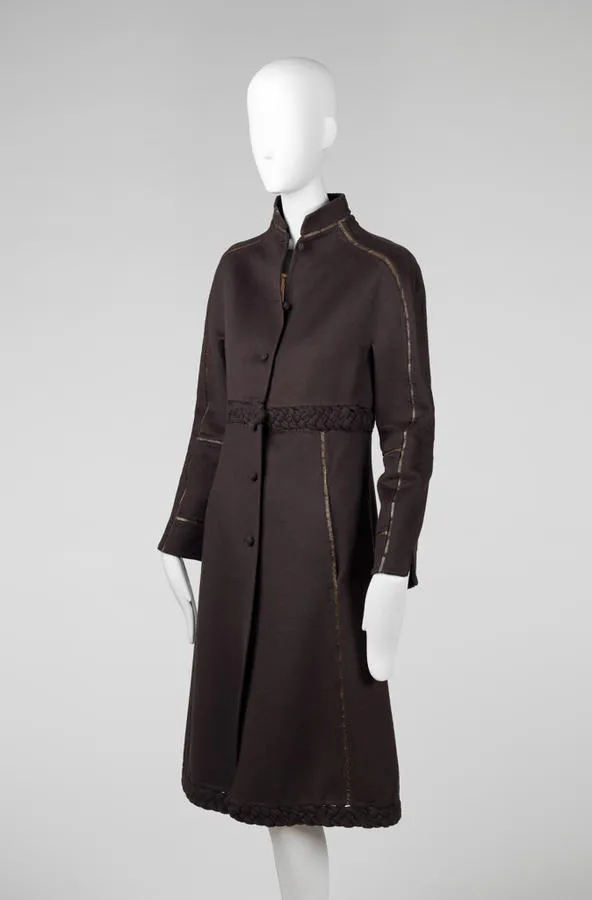
The fastest way to look expensive on a charity-shop budget is to ignore trends and touch everything. Vamp dressing is a tactile business: velvet, devoré, lace, leather, heavy wool, silk, satin, mohair. You want pieces that absorb light rather than bounce it back. Matte black, deep oxblood, forest green, midnight blue, pewter. Shiny polyester that crackles when you move is your enemy; a heavy crepe or a proper wool blend is your friend.
Check the label, but don’t worship it. A 1980s British-made wool coat will often outlast a new fast-fashion jacket by a decade. Look for natural fibres, lined jackets, real buttonholes and seams with a bit of give. If the fabric feels thin and squeaky, put it back.
The quality check — do it before the changing room queue
Hold the piece up to the light. Look for moth holes, underarm staining, frayed cuffs and cracked leather. Check the zip runs smoothly, the lining isn’t shredded, and the buttons aren’t hanging on by a thread. On leather, bend the sleeve gently: if it creases like cardboard, it’s dried out. On velvet, brush the nap the wrong way to see bald patches.
Try it on properly. Charity-shop mirrors are unkind and the lighting is worse, but you’re looking for fit in the shoulders and chest, not the waist. Waists can be taken in; shoulders cannot be fixed without a tailor’s bill that doubles the price. If the shoulders fit, you have options.
Where the good rails actually are
Charity shops in affluent areas get the best donations — think leafy London suburbs, Edinburgh’s New Town, Cheshire villages, Bath, Harrogate. Hospice shops and independent charity shops often price more sensibly than the big-name chains. Go on a weekday morning, when the new stock is out and the rail hasn’t been picked over.
Car boot sales are the true crypts of British second-hand fashion. Take cash, arrive early, and dig through the £1 boxes. Vintage kilo sales and church-hall fairs are good for bulk buys; online, set saved searches on Vinted and eBay for ‘black velvet jacket’, ‘lace shirt’, ‘leather trousers’ and your measurements. Depop has the looks but often the markups too. Don’t sleep on local vintage fairs and university swap shops — they’re cheaper than the curated Instagram sellers and you can feel the fabric first.
The fancy-dress trap — and how to dodge it
A cape, a corset and a pair of fake fangs does not a vamp make. The look works when one dramatic piece is anchored by something ordinary. Pair a lace shirt with dark straight-leg jeans and stompy boots. Wear a velvet blazer over a plain black tee and tailored trousers. A leather skirt with a chunky knit and ankle boots. The goal is ‘might bite’ not ‘might audition for a local production of Dracula’.
Avoid costume jewellery that looks like it came from a Halloween multipack. Choose one or two solid silver rings, a plain chain, a single pair of ornate earrings. Keep hair and makeup deliberate but not theatrical: a smudged eyeliner, a dark lip stain, a bit of texture. The clothes are doing the talking.
Alterations that change everything
A £10 tailoring job can turn a ‘maybe’ into a ‘where did you get that’. Take in the waist, shorten sleeves, taper a trouser leg or take up a hem. Replace cheap plastic buttons with matte horn or metal ones. Add a lining to a scratchy jacket. Dye a faded black piece back to depth with a machine dye — but check the fabric content first, and never dye a mixed fibre you care about without testing.
Learn three hand-sewing skills: sewing on a button, fixing a hem, and taking in a side seam. A basic sewing kit and a YouTube tutorial will save you a fortune. If you’re nervous, find a local tailor or alteration shop — most charge £10–£25 for simple jobs and will tell you honestly if a piece isn’t worth saving.
A realistic capsule
You don’t need a wardrobe full of black. Aim for: one heavy wool coat, one velvet or corduroy blazer, one lace or silk shirt, one pair of leather trousers or a leather skirt, one pair of good boots, one dark knit, one pair of black straight-leg jeans, and a few silver rings. That’s a dozen pieces that will mix into a month of outfits. On charity-shop rails, a realistic budget is £60–£100 for the lot if you’re patient.
Care and keeping
Moths love a crypt. Store wool and velvet with cedar blocks or lavender bags, air clothes after wearing, and keep leather conditioned. Wash velvet sparingly and inside out; spot-clean where you can. A clothes brush and a lint roller will make second-hand pieces look new. And learn to spot a loose seam before it becomes a hole — five minutes with a needle is cheaper than replacing a favourite jacket.
The anti-fast-fashion bit
Every second-hand purchase keeps a garment out of landfill and sends money to a charity rather than a shareholder. It also forces you to slow down: to look, touch, try and imagine. That’s the opposite of scrolling and tapping ‘buy now’. In 2026, with fast-fashion prices rising and quality falling, the charity-shop rail isn’t a compromise. It’s the sharper option.
So take the bus to the next town, take cash to the car boot, and take a tape measure. The crypt is open.