Low Lights, Sharp Needles: The Quiet Rise of Britain’s Listening Bars

Photo: Internet Archive Book Images, No restrictions, via Wikimedia Commons
At 11.40pm on a Friday in Hackney, the loudest thing in the room is a bassline moving through a pair of wooden speakers the size of wardrobes. Nobody is shouting over it. Nobody is filming it. A woman in a black roll-neck is reading the sleeve notes of the record currently playing, and the bar staff are making cocktails at a volume that suggests they have been trained by librarians. This is a listening bar—and in 2026, it is where a certain kind of young British night out has gone.
The mega-club has not vanished. But the crowds who once queued for 2,000-capacity rooms are increasingly choosing 80-capacity ones: low ceilings, serious sound, decent drinks and a social contract that asks you to be quiet when the needle drops. London has the densest cluster, but Manchester, Glasgow and Bristol all have their own versions. The listening bar is no longer a niche import from Tokyo. It is becoming the default taste-maker’s night out.
The Rooms Where the Music Does the Talking
You can find them above record shops, behind unmarked doors, in railway arches and in the back rooms of restaurants. London’s scene runs from audiophile temples in King’s Cross to intimate rooms off Kingsland Road; Brilliant Corners and Spiritland are the names people still argue about, while newer spots have learned to balance the hi-fi with an actual atmosphere. Manchester’s Northern Quarter has a growing cluster of low-lit bars where the selector is as important as the cocktail list. Glasgow’s listening sessions tend to be warmer, more conversational, often tied to record shops and jazz nights. Bristol’s version sits somewhere between a pub, a soundsystem culture and a very good dinner party.
The format is simple: a room, a soundsystem, a person playing records with intent. No festival line-up. No LED wall. No bottle service. The point is not to be seen; it is to hear.
Why the Mega-Club Lost Its Grip
Cost is part of it. A £30 ticket, £15 cocktails and a coat queue can turn a night out into a financial decision. A listening bar asks less: a £6 natural wine, a £7 highball, no ticket. You can arrive alone, stay for one record, leave without explaining yourself. For a generation that drinks less, the appeal is obvious. Many of these rooms carry low-ABV and alcohol-free lists; some serve tea and coffee until close. Sober-friendly does not mean sober-only. It means you can have a night out without your social life depending on a pint.
There is also the phone problem. In a big club, the camera is the point. In a listening bar, filming feels like talking during a film. The etiquette is the appeal. Keep your voice low. Do not use Shazam with your torch on. Do not request a song unless the selector invites it. Dance if there is space, but do not turn a seated room into a pit.
The New Late-Night Uniform
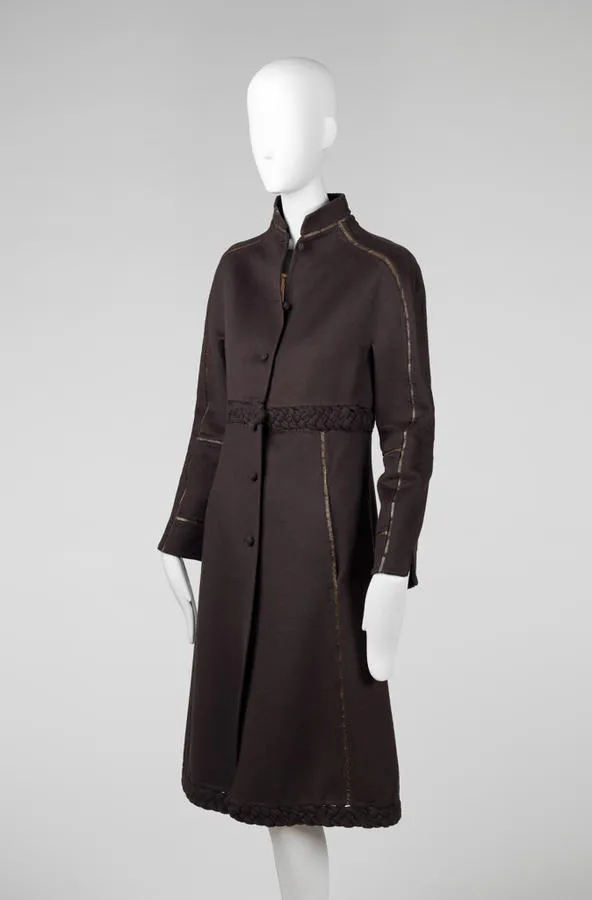
The style has shifted with the rooms. Mega-club dressing was about impact: shine, skin, logos, a look that could be read from the other side of the smoking area. Listening-bar dressing is about texture. Black merino roll-necks. Wide-leg wool trousers. A tailored coat. A leather jacket that has been worn in, not bought yesterday. A pointed ankle boot. Small silver hoops. A red lip or a bare face. No obvious branding. No fancy dress.
It is vampy, but restrained. The room is dark; you want fabrics that catch the low light—wool, leather, corduroy, silk—not sequins that fight the sound. You want to sit on a stool without your outfit collapsing. You want to look like you might have a favourite record at home, even if you are still working out how to use your housemate’s turntable.
The stricter style code is informal but real. Tracksuits and football shirts can feel too loud in a room that asks for quiet. That is not about gatekeeping; it is about mood. The listening bar is a small stage, and the audience is part of the set.
The Etiquette Is the Appeal
The social rules are simple, which is why they work. Arrive early. Sit near the music but not on top of the speaker. Buy a drink. Talk at bar volume. Leave your phone in your pocket. If the room is seated, stay seated. If there is a dancefloor, read the room before you start a conga.
For sober people, this is a rare kind of night out: one where the bar is not the only thing to do. You can listen. You can talk. You can leave at 1am without feeling like you failed at partying. The listening bar does not demand that you get wasted to belong. It just asks you to pay attention.
How to Do It Without Getting It Wrong
Check listings in record shops and local newsletters rather than relying on the big ticketing sites. Go early to get a seat. Sit centrally if you care about sound; sit at the bar if you care about conversation. Ask the staff what the policy is on requests. Leave before the last Tube if you can, or check the night bus. London’s Night Tube helps; Manchester’s trams stop earlier than you think; Glasgow’s subway has a curfew; Bristol’s night buses are a test of faith.
The listening bar boom is not nostalgia. It is a recalibration. Quieter, darker, better dressed. The dancefloor has not disappeared; it has been given a smaller room, a better soundsystem and a stricter door. In 2026, that feels less like a trend and more like a correction.